

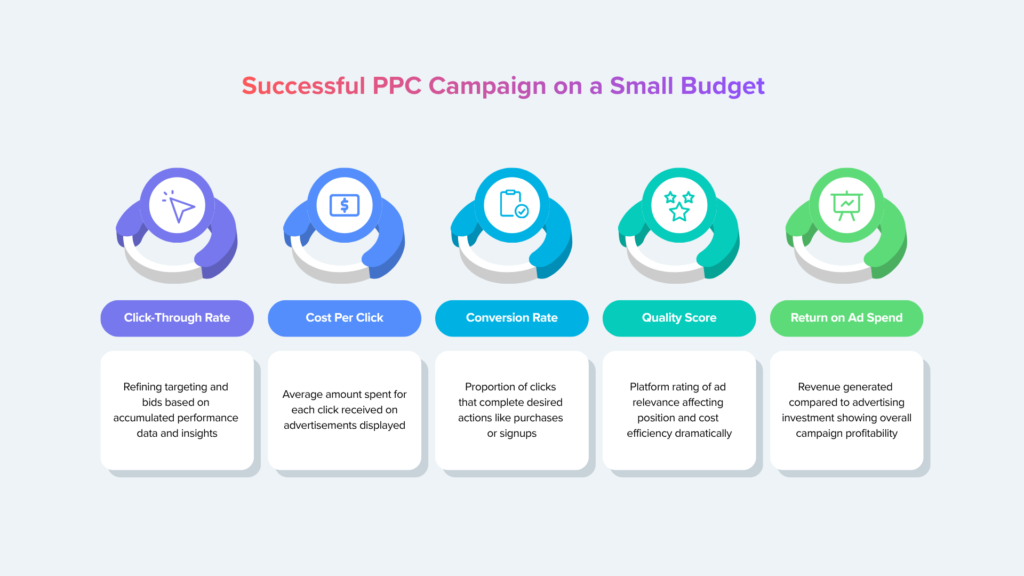
Running a pay-per-click (PPC) campaign often feels like a game reserved for big brands with unlimited marketing budgets. But that’s a myth. Whether you’re a small business owner in Canada, a startup founder in Vancouver, or an e-commerce store based in Calgary, you can absolutely run a profitable PPC campaign on a small budget — if you know where to focus your money and effort.
In this guide, we’ll break down exactly how Canadian small businesses can compete with bigger players on Google Ads, Microsoft Ads, and social platforms, without burning through their budget in the first week.
Why PPC Still Matters for Small Businesses in Canada
Canada’s digital advertising market is growing fast, and platforms like Google Ads and Bing Ads remain some of the most cost-effective ways to get in front of ready-to-buy customers. Unlike SEO, which can take months to show results, PPC gives you immediate visibility — your ad can appear at the top of search results within minutes of launching a campaign.
The problem most small businesses face isn’t whether PPC works — it’s that they waste their limited budget on the wrong keywords, broad targeting, or poorly optimized landing pages. Let’s fix that.
1. Set a Clear, Realistic Goal Before Spending a Dollar
Before you even open your Google Ads account, define what “success” looks like for your campaign. Is it:
- More website traffic?
- Phone calls or form submissions (leads)?
- Direct online sales?
- App downloads?
A small budget spread across vague goals will get diluted fast. Pick one primary goal and structure your entire campaign around it. For most small Canadian businesses, lead generation or direct sales tend to give the clearest return on ad spend (ROAS).
2. Choose the Right Platform for Your Budget
Not every platform suits a small budget the same way.
- Google Search Ads – Best for high-intent buyers actively searching for your product or service. Slightly more competitive (and expensive) in cities like Toronto and Vancouver.
- Microsoft (Bing) Ads – Often overlooked, but CPCs (cost-per-click) in Canada are usually 30–50% cheaper than Google, with a very similar audience quality.
- Meta Ads (Facebook/Instagram) – Great for visual products and building brand awareness on a smaller budget.
- Local Service Ads – If you’re a service-based business (plumber, lawyer, dentist), this can be a goldmine since you only pay per lead, not per click.
If your budget is under $500/month, starting with Microsoft Ads or Google Search Ads with tight targeting usually gives the best early results.
3. Focus on Long-Tail, Low-Competition Keywords
This is where most small budgets get wasted. Bidding on broad keywords like “shoes” or “web design” puts you up against national and international brands with unlimited budgets.
Instead, target long-tail keywords that are more specific and have lower competition:
- Instead of “web design” → try “affordable web design for small business Calgary”
- Instead of “shoes” → try “women waterproof hiking boots Canada”
Long-tail keywords typically have:
- Lower cost-per-click
- Higher conversion rates (because the searcher’s intent is clearer)
- Less competition from big brands
Use free tools like Semrush, Ahref or Ubersuggest to find these gems specific to your city or province.
4. Use Geo-Targeting to Your Advantage
One of the biggest advantages small Canadian businesses have is local targeting. Instead of running a campaign across the entire country, narrow it down to:
- Specific cities or provinces where your customers actually are
- A radius around your physical location (great for local service businesses)
- Exclude regions where you don’t ship or operate
This alone can cut wasted spend by 30–40%, since you’re not paying for clicks from people who can never become customers.
5. Set a Daily Budget Cap and Use Manual or Smart Bidding Wisely
With a small budget, every dollar needs to count. Start with:
- A daily budget cap so you never overspend in a single day
- Manual CPC bidding in the early stages to control exactly how much you pay per click
- Once you have enough conversion data (usually 15–30 conversions), switch to Target CPA or Maximize Conversions for automated optimization
Avoid starting with fully automated bidding right away — without historical data, the algorithm can waste your limited budget while it “learns.”
6. Write Ad Copy That Speaks Directly to the Searcher
With a small budget, you can’t afford weak, generic ad copy. Every click costs money, so your ad needs to pre-qualify the right people and repel the wrong ones.
Tips for high-converting ad copy:
- Include the city or region in your headline (e.g., “Same-Day Plumber in Ottawa”)
- Highlight a clear benefit or offer (“Free Quote in 24 Hours”)
- Add a strong call-to-action (“Book Now,” “Get a Free Quote,” “Shop Today”)
- Use ad extensions (sitelinks, callouts, location, price) — these are free and increase your ad’s visibility and click-through rate
7. Don’t Skip the Landing Page
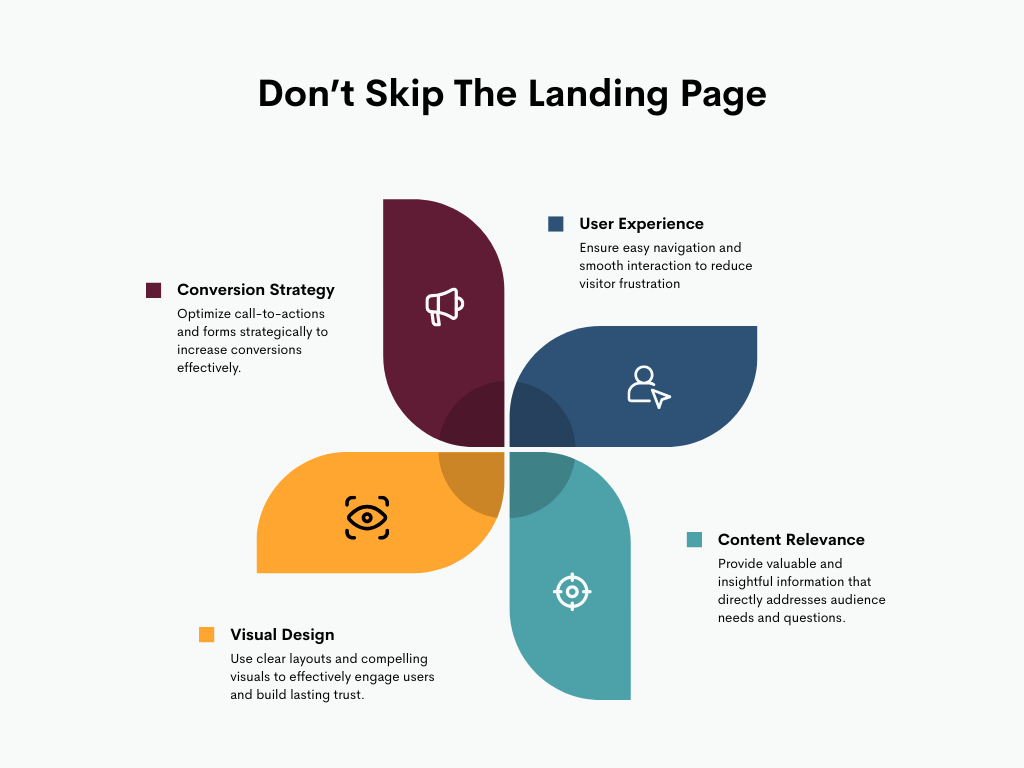
Many small businesses spend all their energy on the ad itself and send traffic to a generic homepage. This is one of the biggest budget-killers in PPC.
Your landing page should:
- Match the message of the ad exactly
- Load in under 3 seconds (page speed matters for Quality Score too)
- Have one clear call-to-action — don’t confuse visitors with multiple options
- Be mobile-friendly (most Canadian users browse and search on their phones)
A well-matched landing page can double your conversion rate without spending an extra dollar on ads.
8. Monitor Quality Score to Lower Your Costs
Google Ads rewards relevant, well-structured campaigns with a lower cost-per-click through something called Quality Score. It’s based on:
- Expected click-through rate
- Ad relevance to the keyword
- Landing page experience
A higher Quality Score means you pay less for the same ad position — which is critical when your budget is tight. Regularly review your Quality Score in Google Ads and fix any keywords scoring below 5/10.
9. Test Small, Learn Fast, Scale What Works
With a limited budget, you can’t test 50 keywords and 10 ad variations at once. Instead:
- Start with 2–3 ad groups, each with a tightly themed set of 5–10 keywords
- Run 2 ad variations per ad group to A/B test messaging
- Give each test at least 7–10 days or 100+ clicks before making decisions
- Pause underperforming keywords and ads, and reallocate budget to what’s working
This “test small, scale smart” approach ensures you’re not gambling your entire budget on unproven ideas.
10. Track Everything with Conversion Tracking
This is non-negotiable, especially on a small budget. Without proper conversion tracking set up (Google Ads conversion tracking, Google Analytics 4, or a CRM integration), you’re flying blind.
Make sure you’re tracking:
- Form submissions
- Phone calls (call tracking)
- Online purchases
- Chat inquiries
Once tracking is in place, you’ll know exactly which keywords, ads, and audiences are driving real business results — not just clicks.
Bonus Tip: Retarget Website Visitors Cheaply
Not everyone converts on their first visit. Retargeting (showing ads to people who already visited your site) is usually much cheaper than cold traffic and has significantly higher conversion rates. Even a small daily budget of $5–10 dedicated to retargeting can bring back warm leads who were close to converting.
Final Thoughts
A small budget doesn’t mean small results — it means you need to be smarter, more targeted, and more disciplined with every dollar you spend. Canadian small businesses that focus on long-tail keywords, tight geo-targeting, strong ad copy, and matching landing pages consistently outperform bigger competitors who rely on brand recognition alone.
Start small, track everything, and scale only what’s proven to work. That’s the real secret to running a successful PPC campaign — regardless of your budget size.